
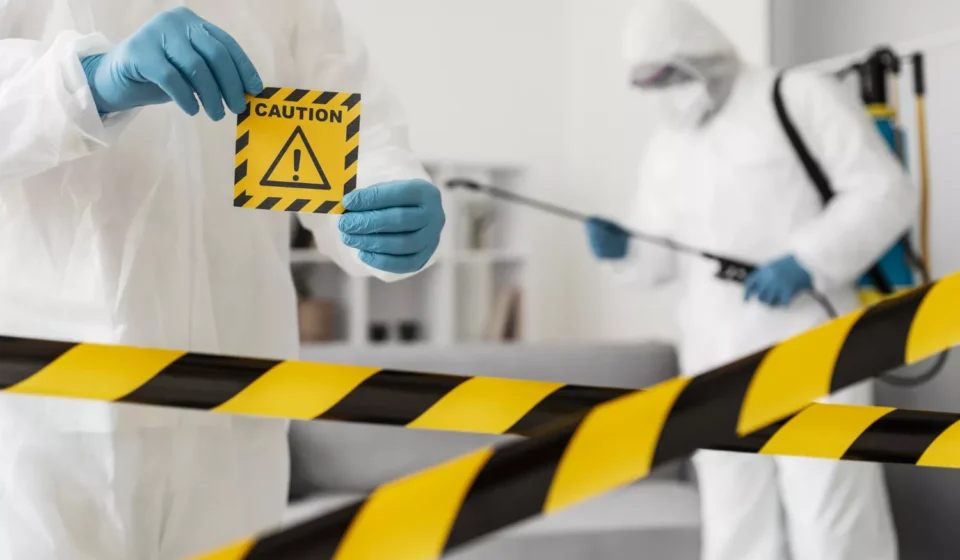

Hazards are everywhere at work, home, and even during routine tasks. The problem isn’t that hazards exist. The problem is that people often don’t notice them until something goes wrong. Identifying hazards is the first and most important step in preventing incidents. When you recognize risks early, you can control them before they become accidents.
Hazard identification isn’t about fear or overreaction. It’s about awareness and responsibility. If you learn to spot hazards, you’ll naturally develop safer habits. You’ll start thinking ahead instead of reacting afterward. This is what makes hazard identification a powerful safety skill.
Why Identifying Hazards Is Necessary
Every accident starts with an unrecognized hazard. That means identifying hazards is not optional it’s essential. When hazards are detected early, you can control them through simple actions like removing clutter, fixing broken equipment, or using the correct protective gear.
Hazard identification also protects everyone around you. One person’s awareness can prevent multiple injuries. When teams practice hazard identification, safety becomes part of the work culture rather than a task.
Hazards can be obvious, like a wet floor, or hidden, like a faulty wire. Identifying hazards helps you stay ahead of problems. It prevents injuries, reduces downtime, and keeps productivity steady. When hazards are addressed early, you also avoid costly repairs and reputation damage.
Common Causes of Missed Hazards
Hazards are often missed because people become too comfortable in their environment. Common reasons include:
- Routine and complacency
- Time pressure and rushing
- Poor housekeeping and clutter
- Lack of training or awareness
- Assuming someone else will fix it
- Ignoring near-misses or warning signs
- Overconfidence or familiarity with the task
Most hazards are not hidden. They are visible but ignored. When people become too comfortable, they stop scanning their environment and assume everything is fine. This is why hazard identification is more about mindset than tools.
Another major reason hazards are missed is over-reliance on experience. People often say, “I’ve done this a thousand times,” and stop paying attention. Experience is valuable, but it must be paired with continuous awareness. Even experienced workers can make mistakes if they stop checking for changes.
Read more: What Are the Best Ways to Know Your Exits?
Practical Steps to Improve Hazard Identification
Improving identifying hazards requires consistent effort and smart habits. Here are practical steps that work:
1. Start with a Clear Scan
- Before starting work, take a moment to look around
- Check for trip hazards, spills, and loose objects
- Look for broken tools or damaged equipment
- Observe the environment for changes since the last task
This simple scan helps you notice risks before they affect your work.
2. Ask Questions
- What could go wrong here?
- What has changed since last time?
- What is the worst-case scenario?
- Who could be affected if something goes wrong?
Asking questions turns hazard identification into a mental habit.
3. Use a Systematic Approach
- Check your work area in sections (left to right)
- Look at tools, materials, and environment
- Inspect equipment before use
- Review procedures for risks and controls
A systematic approach prevents missing obvious hazards.
4. Encourage Team Communication
- Speak up if you notice anything unsafe
- Share near-miss experiences to prevent future incidents
- Support coworkers when they raise concerns
- Use clear language and avoid blame
A strong safety culture depends on open communication.
5. Learn from Incidents and Near Misses
- Review incidents to identify root causes
- Update controls based on lessons learned
- Improve training and procedures
- Use incident data to prevent repeat hazards
Every near miss is a warning sign. Treat it as a learning opportunity.
Hazard Identification Is a Daily Skill
Hazard identification is not a one-time task. It’s a daily skill that improves with practice. When you train your eyes and mind to spot risks, you become more confident and safer. You’ll start noticing hazards before they become problems, and you’ll naturally make smarter decisions.
Conclusion
Identifying hazards is the foundation of safety. When you notice risks early, you prevent accidents before they happen. Stay alert, ask questions, and make hazard identification a daily habit — because safety starts with awareness.
Download Pdf Here



[…] Forklifts and Pedestrians Safety Is […]
[…] Read more: What Are the Best Practices for Identifying Hazards? […]