
Skip to content
Safety Moment Ideas Safety Moment Ideas

5-Minute Workplace Safety Talks, Toolbox Topics & Practical HSE Guides

Safety Moment Ideas Safety Moment Ideas

5-Minute Workplace Safety Talks, Toolbox Topics & Practical HSE Guides

  • Home
  • About Safety Moment Ideas
  • Safety Moments
    • Workplace and Industrial Safety
    • Road and Vehicle Safety
    • Home and Office Safety
    • Fire Safety
    • Personal Protective Equipment
    • Hazardous Materials & Radiation
    • Health Safety
    • First Aid
  • Contact
  • Privacy Policy
  • Disclaimer
  • Terms and Conditions
  • Advertising Disclosure
  • Home
  • About Safety Moment Ideas
  • Safety Moments
    • Workplace and Industrial Safety
    • Road and Vehicle Safety
    • Home and Office Safety
    • Fire Safety
    • Personal Protective Equipment
    • Hazardous Materials & Radiation
    • Health Safety
    • First Aid
  • Contact
  • Privacy Policy
  • Disclaimer
  • Terms and Conditions
  • Advertising Disclosure
Close

Search

Get in Touch
Safety Moment Ideas Safety Moment Ideas

5-Minute Workplace Safety Talks, Toolbox Topics & Practical HSE Guides

Safety Moment Ideas Safety Moment Ideas

5-Minute Workplace Safety Talks, Toolbox Topics & Practical HSE Guides

  • Home
  • About Safety Moment Ideas
  • Safety Moments
    • Workplace and Industrial Safety
    • Road and Vehicle Safety
    • Home and Office Safety
    • Fire Safety
    • Personal Protective Equipment
    • Hazardous Materials & Radiation
    • Health Safety
    • First Aid
  • Contact
  • Privacy Policy
  • Disclaimer
  • Terms and Conditions
  • Advertising Disclosure
  • Home
  • About Safety Moment Ideas
  • Safety Moments
    • Workplace and Industrial Safety
    • Road and Vehicle Safety
    • Home and Office Safety
    • Fire Safety
    • Personal Protective Equipment
    • Hazardous Materials & Radiation
    • Health Safety
    • First Aid
  • Contact
  • Privacy Policy
  • Disclaimer
  • Terms and Conditions
  • Advertising Disclosure
Close

Search

Get in Touch
Lifting and hoisting safety
Workplace and Industrial SafetyToolbox Talks & Safety Moments

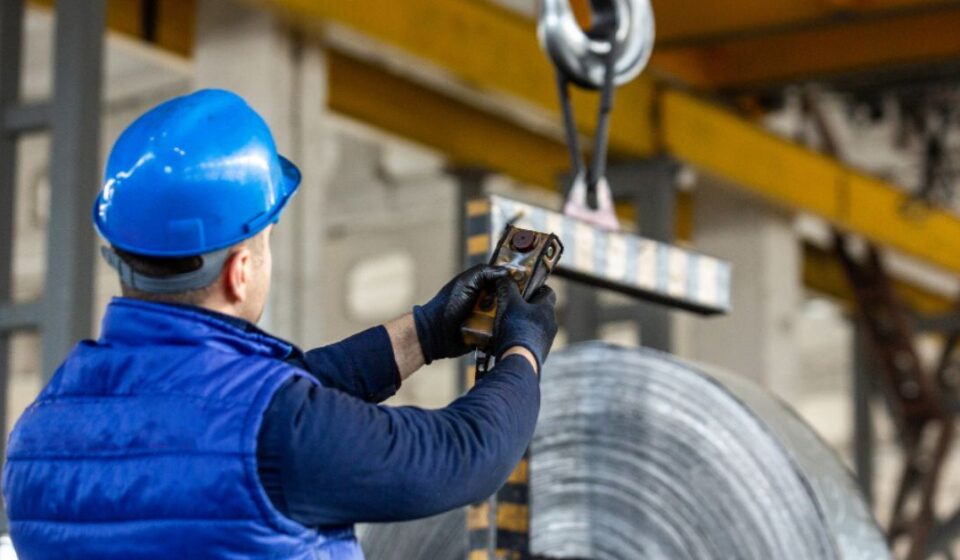
Manual & Mechanical Lifting Safety: Ergonomic Limits, Hoisting & Rigging Rules

By John Allen
3 Min Read
2

Manual material handling and mechanical overhead hoisting account for more than one-third of all lost-time occupational injuries across warehousing, manufacturing, and construction. Back strains, spinal disc herniation, and dropped overhead loads can end careers and cause catastrophic facility damage.

Direct Safety Takeaway: Under the NIOSH Manual Lifting Equation, the Recommended Weight Limit (RWL) for ideal lifting conditions is 51 lbs (23 kg). When lifting manually, keep the load in the Power Zone (between mid-thigh and chest height) and lift with the legs—never bend and twist at the waist simultaneously. For loads exceeding 50 lbs, use mechanical hoists or team lifting.

Table of Contents

Toggle
  • Manual Lifting vs. Mechanical Hoisting Safety Matrix
  • The 5 Rules of Safe Manual Lifting Mechanics
  • Mechanical Hoist & Rigging Hardware Inspection (ASME B30.16)
  • 5-Minute Safety Talk / Toolbox Topic: Power Zone Lifting
  • Daily Lifting & Hoisting Inspection Checklist
  • Frequently Asked Questions
    • Can a hoist chain be used as a sling wrapped around a load?
    • Authoritative Sources & Standards

Manual Lifting vs. Mechanical Hoisting Safety Matrix

Lifting OperationPrimary Hazard MechanismMandatory Safety Threshold / Control
Manual Box / Material LiftingLumbar spine shearing forces caused by bending and twisting with heavy loads.Lift within the “Power Zone”; bend knees; hold load close to chest; never twist while lifting.
Heavy / Awkward Objects (>50 lbs)Acute muscle tears, loss of grip, dropped objects crushing feet.Mandatory team lift (2+ persons) or deploy hydraulic lift tables and drum dollies.
Overhead Lever & Chain HoistsHook opening deformation, overloaded chain links, load slipping.Verify Working Load Limit (WLL) tag; inspect safety latches; avoid side-pulling hoists.
Crane & Rigging HoistingSling failure from sharp edges, unbalanced center of gravity. (See Crane Safety).Use corner edge protectors; calculate horizontal sling angles; attach taglines.
Material Handling and Hoisting Safety Matrix.

The 5 Rules of Safe Manual Lifting Mechanics

  1. 1. Plan the Lift & Test the Weight: Inspect the travel path for slip/trip hazards (see Slip & Fall Prevention) and nudge the box to verify weight before lifting.
  2. 2. Establish a Wide, Stable Base: Position feet shoulder-width apart with one foot slightly forward for balance.
  3. 3. Bend at the Knees, Not the Waist: Squat down keeping the back straight and chest up, engaging the powerful quadriceps and gluteal muscles.
  4. 4. Keep the Load Close to Your Body: Holding a 20 lb box at arm’s length exerts 200 lbs of pressure on your lumbar spine due to mechanical lever principles.
  5. 5. Pivot with Your Feet — Never Twist: Turn your entire body using small steps rather than twisting your torso while carrying a load.

Mechanical Hoist & Rigging Hardware Inspection (ASME B30.16)

Before using an overhead electric, pneumatic, or manual chain hoist:

  • Load Chain: Check for gouges, twisting, heat discoloration, or elongation (stretch) across links.
  • Safety Latch: Ensure the spring-loaded hook safety latch snaps firmly closed across the throat opening.
  • Hook Throat Opening: Discard any hook that has stretched more than 5% beyond manufacturer specifications or shows twists greater than 10 degrees.
  • Avoid Tip Loading: Always seat the rigging sling in the bowl (saddle) of the hook — never rig on the hook tip.

5-Minute Safety Talk / Toolbox Topic: Power Zone Lifting

  • Meeting Question: “Where is your body’s ‘Power Zone’ for lifting safely?” (Answer: Between mid-thigh and chest level).
  • Practical Check: “What is the maximum weight you are authorized to lift alone before requesting team assistance or a mechanical hoist?”
  • Supervisor Note: “Using a forklift, crane, or hand truck takes 30 seconds longer but prevents a lifetime of chronic back pain.”

Daily Lifting & Hoisting Inspection Checklist

  • ☐ Overhead hoist rated capacity (WLL) clearly marked and legible from floor level.
  • ☐ Upper and lower limit switches on powered hoists tested prior to first lift.
  • ☐ Synthetic slings inspected for cuts, snags, acid burns, or missing capacity tags.
  • ☐ Taglines prepared for guiding suspended loads away from pinch points.
  • ☐ Safety toe work boots and high-grip gloves worn during all material handling tasks.

Frequently Asked Questions

Can a hoist chain be used as a sling wrapped around a load?

Strictly prohibited. Wrapping a hoist load chain around a cargo bundle places severe bending stress on individual chain links and damages the hook saddle. Always use certified synthetic or alloy chain slings attached to the hoist hook.


Authoritative Sources & Standards

  • NIOSH Manual Material Handling: Applications Manual for the Revised NIOSH Lifting Equation (Pub. No. 94-110).
  • OSHA 29 CFR 1910.179 & 1926.251: Rigging Equipment for Material Handling.
  • ASME B30.16: Overhead Underhung and Stationary Hoists.

Tags:

Construction SafetyCrane SafetyHoisting Safety GuidelinesIndustrial SafetyLifting and Hoisting SafetyLifting Equipment SafetyMaterial Handling SafetyWorkplace Safety
Author

John Allen

John Allen is the founder and technical safety editor of Safety Moment Ideas. With over a decade of experience analyzing industrial workplace safety, contractor management, and HSE compliance, he specializes in translating OSHA, NIOSH, and NFPA standards into concise, actionable 5-minute toolbox talks and field inspection checklists for supervisors and safety committees.

Follow Me
Other Articles
Fire Safety
Previous

Fire Extinguisher PASS Method & Classes of Fire: Complete Workplace Guide

Parking lot safety
Next

Parking Lot Safety: Speed Control, Pedestrian Walkways & Driver Rules

2 Comments
  1. What Are the Key Elements of Parking Lot Safety? - Safety Moment Ideas says:
    April 1, 2026 at 1:34 pm

    […] Read more: What Are the Best Practices for Lifting and Hoisting Safety […]

    Reply
  2. Steps to Ensure Effective Eye and Face Protection Safety Practices - Safety Moment Ideas says:
    April 10, 2026 at 2:07 pm

    […] Read more: What Are the Best Practices for Lifting and Hoisting Safety? […]

    Reply

Leave a Reply Cancel reply

Your email address will not be published. Required fields are marked *

Latest Posts

  • Best Ways to Handle Stress
    Workplace Stress Management: 7 Practical Steps, Prevention & Toolbox Talk
    by John Allen
  • Heat Safety
    Workplace Heat Safety: OSHA Limits, Prevention & First Aid Guide
    by John Allen
  • Pressure testing
    Pressure Testing Safety: Hydrostatic & Pneumatic Safe Work Procedures
    by John Allen
  • Road Safety
    Vehicle Safety Choice: How Crash Ratings, Size & ADAS Impact Road Safety
    by John Allen
  • tinnitus
    Occupational Tinnitus & Hearing Conservation: OSHA 1910.95 Noise Limits & PPE
    by John Allen

We are a Safety Moments platform dedicated to sharing short, practical safety insights that help prevent incidents and promote a strong safety culture. Our content is written to be clear, relevant, and easy to apply in daily work environments.

Categories
  • Fire Safety
  • First Aid
  • Hazardous Materials & Radiation
  • Health Safety
  • Home and Office Safety
  • Personal Protective Equipment
  • Road and Vehicle Safety
  • Toolbox Talks & Safety Moments
  • Workplace and Industrial Safety
Latest Post
  • Workplace Stress Management: 7 Practical Steps, Prevention & Toolbox Talk
  • Workplace Heat Safety: OSHA Limits, Prevention & First Aid Guide
  • Pressure Testing Safety: Hydrostatic & Pneumatic Safe Work Procedures
  • Vehicle Safety Choice: How Crash Ratings, Size & ADAS Impact Road Safety
  • Occupational Tinnitus & Hearing Conservation: OSHA 1910.95 Noise Limits & PPE
Copyright 2026 — Safety Moment Ideas. All rights reserved. Privacy Policy | Terms & Conditions | Disclaimer

🍪 We use cookies and Google AdSense to serve relevant ads. Privacy Policy | Ad Disclosure