
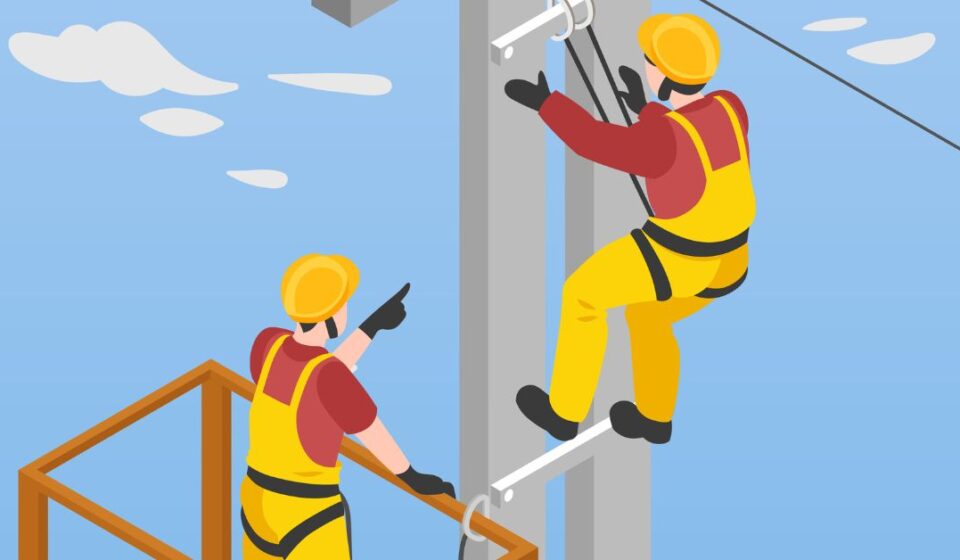

Working at height is one of the most common causes of serious injuries in workplaces like construction, maintenance, warehouses, and even offices. Whether you’re using ladders, scaffolds, rooftops, or elevated platforms, working at height safety should always be your top priority. A fall from even a short distance can cause broken bones, head injuries, or worse. That’s why this safety topic is essential for everyone, not just workers in high-risk industries.
Many people underestimate the danger because they think, “It’s only a small height.” But accidents happen in seconds. A loose ladder, a slippery surface, or a sudden loss of balance can turn a routine task into a life-changing event. Working at height safety isn’t just about equipment—it’s about planning, awareness, and teamwork. When everyone understands the risks, the workplace becomes safer for everyone.
Why Working at Height Safety Is Necessary
The reason working at height safety is crucial is simple: humans are not designed to fall safely. Even a fall from 6 feet can cause severe injury. When workers are above ground, the consequences of mistakes become much more serious. Safety measures reduce the chance of falls and minimize injury if a fall happens.
Working at height also increases risks due to changing weather, unstable surfaces, and distractions. Wind, rain, and poor lighting can make a safe job dangerous in minutes. That’s why planning, correct equipment, and strong supervision are essential. Safety is not a one-time checklist—it’s a continuous process that protects everyone on site.
Common Causes of Working at Height Accidents
Most accidents are caused by predictable mistakes. Common causes include:
- Improper use of ladders (wrong angle or unstable surface)
- No fall protection equipment or incorrect harness use
- Poor inspection of equipment before use
- Working in bad weather or low visibility
- Overreaching or leaning too far
- Unsafe scaffolding or unstable platforms
- Loose or slippery surfaces
- Lack of training or supervision
- Rushing the task or ignoring safety rules
Many accidents happen because workers feel confident or rush the job. But safety is not about confidence—it’s about control. When you assume a task is safe without checking, you increase your risk.
Read more: What Are the Best Practices for Identifying Hazards?
Practical Steps for Working at Height Safety
Improving working at height safety requires planning, training, and correct equipment. Here are practical steps that actually work:
1. Plan the Work Before You Start
- Identify hazards and evaluate risks
- Choose the safest method to complete the task
- Ensure workers have proper training and authorization
- Plan for emergencies and rescue procedures
Planning reduces surprises and keeps everyone prepared.
2. Use the Right Equipment
- Use ladders only for short-duration tasks
- Choose scaffolds or elevated platforms for longer work
- Use guardrails, toe boards, and safety nets where needed
- Always use a proper harness and anchor point if required
The right equipment reduces risk and improves confidence.
3. Inspect Equipment Every Time
- Check ladders for cracks, loose steps, or missing parts
- Ensure scaffolds are stable and properly assembled
- Check harnesses for wear, tears, or damaged buckles
- Verify anchor points are secure and rated for the load
A quick inspection can prevent serious accidents.
4. Use Fall Protection Correctly
- Always connect the harness to a secure anchor point
- Ensure the lanyard is not twisted or damaged
- Use fall arrest systems where required
- Never bypass safety devices or remove equipment
Fall protection is not optional—it’s a lifesaver.
5. Work Smart, Not Fast
- Avoid overreaching or leaning out
- Keep your center of gravity stable
- Keep tools secured to prevent dropping
- Don’t carry heavy loads while climbing
- Use a tool belt or hoist for lifting materials
Working carefully reduces mistakes and prevents falls.
Conclusion
Working at height safety is about planning, using the right equipment, and staying alert. When you respect the risks and follow safety rules, you reduce accidents and protect your team. Remember: falls are preventable, and safety starts with you.
Downlod Pdf Here



[…] Read more: How Can You Improve Working at Height Safety? […]