
First aid is one of the most important skills anyone can have, whether you work in an office, warehouse, factory, or at home. First aid saves lives because it provides immediate help when accidents happen. It can reduce pain, prevent injury from getting worse, and keep someone stable until professional medical help arrives. Even a small delay can change the outcome of an emergency, so quick action matters.
Many people feel nervous about first aid because they worry about making a mistake. But doing nothing is often the worst option. First aid isn’t about being perfect; it’s about helping someone survive and stay safe. First aid saves lives because it bridges the gap between injury and medical treatment. The first few minutes after an accident are crucial, and proper first aid can be the difference between recovery and long-term harm.
Why First Aid Saves Lives
Emergencies rarely happen at convenient times. When someone gets hurt, every second counts. First aid saves lives because it reduces the impact of injuries before professional help arrives. It helps control bleeding, prevents shock, and protects injured areas. It also prevents infections and further damage by stabilizing the person and keeping them calm.
First aid also boosts confidence in the workplace. When employees know how to respond, they stay calm instead of panicking. This creates a safer environment by encouraging people to act quickly and responsibly. In many cases, first aid can prevent small injuries from becoming serious problems.
Common Causes of Injuries Requiring First Aid
Workplaces and homes have many hidden dangers. Common causes of injuries that need first aid include:
- Cuts and lacerations from sharp tools or machinery
- Burns from hot surfaces, chemicals, or steam
- Falls causing sprains, fractures, or head injuries
- Electrical shocks or minor burns from equipment
- Chemical exposure or inhalation
- Heat-related illnesses like heat stroke or dehydration
- Slips, trips, and falls
- Crush injuries from heavy objects or machinery
- Eye injuries from debris or chemicals
- Choking or breathing difficulties
These incidents can happen anywhere, and quick first aid helps prevent the injury from becoming worse. Even minor injuries can become serious without proper care.
Read more: What Are the Best Practices for Radiation Safety?
Practical Steps for First Aid Safety
Improving first-aid safety requires training, equipment, and readiness. Here are practical steps that make a real difference:
1. Get First Aid Training
- Take certified first aid and CPR courses
- Learn how to handle choking, bleeding, and shock
- Practice using an AED (automated external defibrillator)
- Refresh your training regularly
Training builds confidence and prepares you to act quickly.
2. Keep First Aid Kits Accessible
- Place kits in visible and easy-to-reach locations
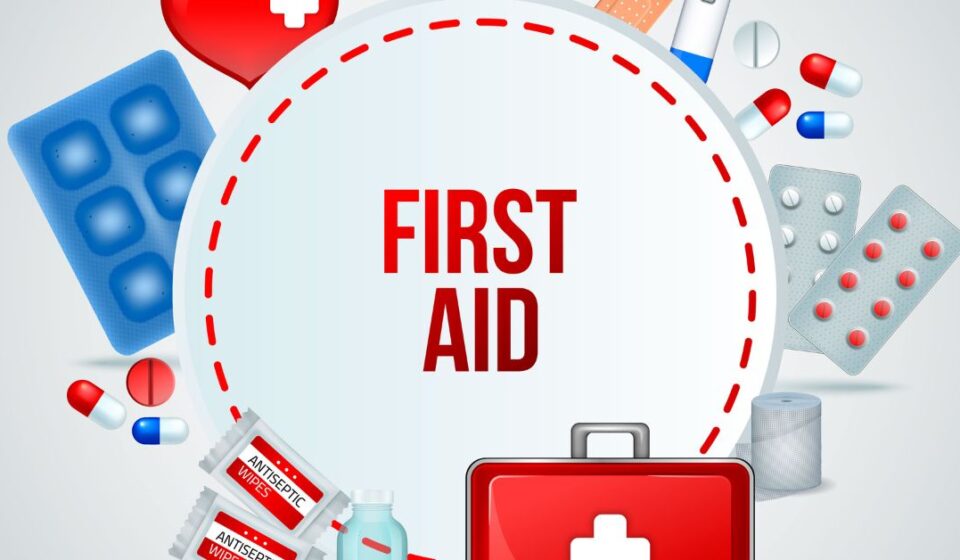
- Stock kits with bandages, gloves, antiseptic wipes, and scissors
- Include burn gel, cold packs, and a CPR mask
- Check kits monthly and replace expired items
Accessible kits save time during emergencies.
3. Encourage Immediate Reporting
- Report injuries even if they seem minor
- Document incidents for safety improvement
- Review near misses to prevent future accidents
- Encourage a culture of safety, not blame
Reporting helps identify risks and prevent repeated incidents.
4. Create Emergency Response Plans
- Identify emergency exits and assembly points
- Assign first aid responders or safety officers
- Conduct emergency drills regularly
- Post emergency contacts and procedures in visible areas
Preparedness reduces panic and improves response time.
5. Use Personal Protective Equipment (PPE)
- Always wear gloves to protect yourself and the injured person
- Use eye protection if needed
- Avoid direct contact with blood or bodily fluids
- Keep a CPR mask or shield available
PPE protects you and prevents infection during first aid.
6. Provide Mental First Aid
- Keep the injured person calm and reassured
- Avoid unnecessary movement if there is a suspected spinal injury
- Provide comfort while waiting for medical help
- Encourage bystanders to stay calm and support the responder
Emotional support reduces panic and helps the person stay stable.
Conclusion
First aid saves lives because it provides immediate care during emergencies. With proper training, equipment, and preparedness, you can respond quickly and reduce harm. Remember: first aid is not just a skill, it’s a responsibility that can protect your team and save someone’s life.
Download PDF Here