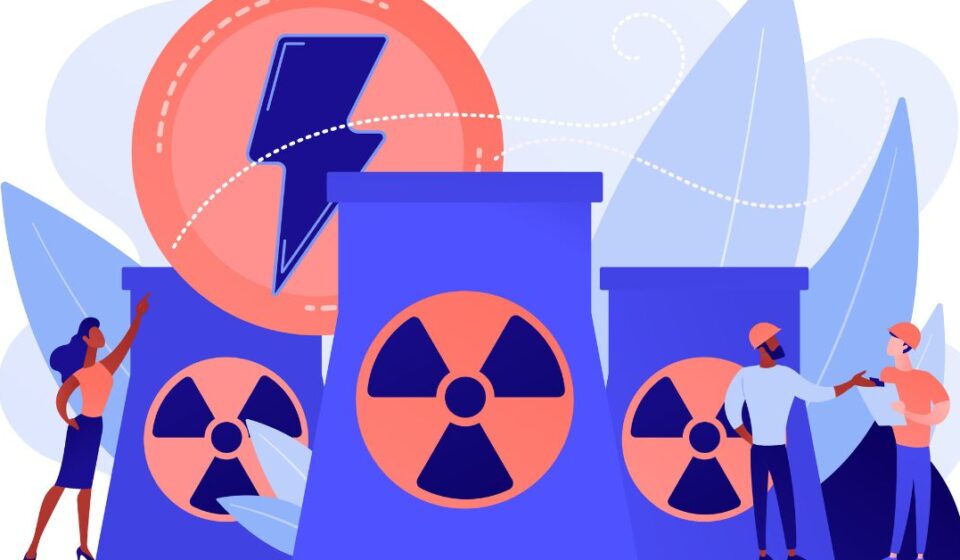

Radiation is invisible, silent, and often misunderstood. It exists in many workplaces such as medical labs, industrial facilities, construction sites, and even airports. Radiation safety means knowing the risks, controlling exposure, and protecting yourself and others. Because radiation cannot be seen or smelled, safety rules must be strict, consistent, and followed every day.
Many people feel safe because they can’t see radiation. That’s the problem. The danger is real even when it feels “normal.” Long-term exposure can cause serious health issues like cancer, skin damage, or organ problems. So radiation safety isn’t just about avoiding accidents it’s about protecting long-term health and keeping everyone safe.
Why Radiation Safety Is Necessary
Radiation affects cells at the microscopic level. Even small exposures can accumulate over time. That’s why radiation safety is essential in workplaces where radiation exists. Safety rules protect workers, patients, visitors, and the environment. The goal is to reduce exposure to the lowest level possible.
Radiation safety also helps prevent accidental contamination. A small spill, improper storage, or careless handling can spread radiation and create a dangerous situation. When radiation is involved, the consequences can affect many people, not just one person. This makes safety planning and strict control crucial.
Common Causes of Radiation Incidents
Radiation incidents usually happen because of predictable mistakes. These common causes include:
- Lack of awareness about radiation sources
- Ignoring exposure limits or safety protocols
- Improper use of protective equipment
- Failure to monitor radiation levels
- Inadequate training or supervision
- Poor signage or missing warning labels
- Unsafe handling or transport of radioactive materials
- Overconfidence or rushing tasks near radiation sources
Most incidents happen when people underestimate the risk. They may think, “I’ve done this a hundred times.” But radiation is not forgiving. Even small errors can lead to long-term exposure.
Read more: How To Ensure Dangerous Goods Safety at Work?
Practical Steps to Improve Radiation Safety
Improving radiation safety requires training, control measures, and good habits. Here are practical steps that actually work:
1. Understand the Types of Radiation
- Learn the difference between ionizing and non-ionizing radiation
- Know the common sources like X-rays, radioactive materials, and UV
- Understand how radiation travels and what it affects
When you understand radiation, you can recognize risks faster.
2. Use Proper Protective Equipment
- Wear lead aprons, gloves, and face shields when required
- Use dosimeters to track exposure levels
- Ensure protective barriers or shields are in place
- Replace damaged safety gear immediately
Protective equipment reduces exposure and keeps you safe.
3. Control Exposure with the 3 Rules
- Time: Limit how long you stay near radiation sources
- Distance: Increase distance from the source whenever possible
- Shielding: Use barriers like lead or concrete to block radiation
These three rules are simple, but they are the foundation of radiation safety.
4. Proper Handling and Storage
- Store radioactive materials in secure, labeled containers
- Keep inventory updated and track every item
- Avoid spills and handle materials carefully
- Transport materials using approved containers
Good handling prevents accidents and reduces risk.
5. Clear Signage and Restricted Access
- Post warning signs around radiation areas
- Restrict access to authorized personnel only
- Ensure doors and entry points are secure
- Use labels to identify radiation sources clearly
Clear warnings help people avoid danger before they enter a risky area.
6. Emergency Preparedness
- Have a spill response plan and train staff
- Keep emergency contacts and radiation experts available
- Perform drills regularly
- Report incidents immediately, even small ones
Preparation prevents panic and reduces harm.
Conclusion
Radiation safety protects your health and the environment. By understanding hazards, using proper equipment, and following rules, you reduce risk and stay safe. Treat radiation with respect, stay alert, and make safety a daily habit.
Download PDF Here