
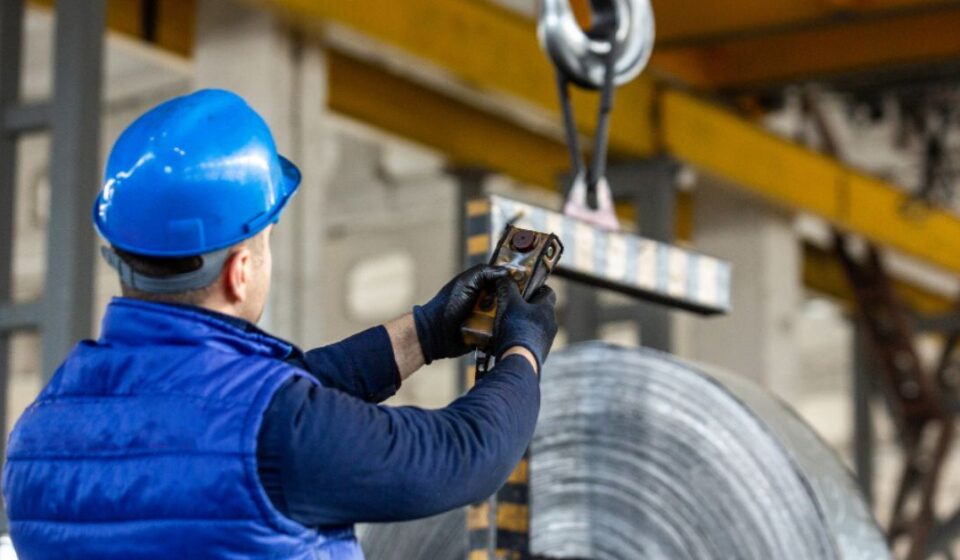

Lifting and hoisting operations are essential in many workplaces, but they carry serious risk when not handled correctly. Moving heavy loads using cranes, hoists, or lifting equipment may look simple, but a small mistake can lead to dropped loads, equipment failure, or severe injury. Lifting and hoisting safety is critical because the weight involved can cause devastating consequences if control is lost.
A safe lifting operation depends on proper planning, correct equipment, and clear communication. It also requires the right training and a strong focus on hazard awareness. When lifting safety is ignored, the results can include crushed limbs, fatal injuries, damaged equipment, and costly downtime.
Why Lifting and Hoisting Safety Is Necessary
Lifting and hoisting operations involve energy and motion that can be hard to control once the load is moving. Even experienced operators can face unexpected problems like shifting loads, swinging loads, or sudden equipment failure. These situations become dangerous quickly, especially if people are standing nearby.
Another reason lifting safety is necessary is that the risks affect everyone around the operation not just the operator. Workers, supervisors, visitors, and bystanders can all be harmed if proper controls are not in place. That’s why lifting and hoisting safety requires a team approach, not just individual responsibility.
Safe lifting also protects equipment and prevents financial losses. A dropped load can damage machinery, structures, and the load itself. By following safe lifting practices, companies reduce repair costs, avoid production delays, and protect their reputation.
Read more: First Aid Saves Lives Essentials: Your Guide to Life-Saving Skills
Common Causes of Lifting and Hoisting Safety Incidents
Improper Load Handling
- Load weight exceeds equipment capacity
- Unbalanced or unstable loads
- Incorrect rigging methods
- Load not secured properly
Unstable loads can swing or drop unexpectedly.
Faulty or Poorly Maintained Equipment
- Worn hoist cables or chains
- Damaged hooks or slings
- Broken safety devices
- Lack of inspection and maintenance
Equipment failure is a leading cause of accidents.
Poor Planning
- No lift plan or risk assessment
- Unclear communication among team
- No designated lifting area
- Failure to consider ground conditions
Lack of planning increases surprises during lifting.
Operator Error
- Incorrect operation of controls
- Rushing or ignoring signals
- Overloading or rapid movement
- Lack of training or experience
Operator mistakes can cause immediate danger.
Unsafe Environment
- Slippery or uneven surfaces
- Poor lighting or visibility
- Nearby power lines or obstacles
- Crowded work area
Environment affects safety and control.
Practical Steps for Lifting and Hoisting Safety
1. Plan the Lift
- Determine load weight and center of gravity
- Identify lifting points and path
- Choose the right equipment and rigging
- Establish a clear lift plan and risk assessment
Planning prevents surprises and reduces risk.
2. Use Proper Equipment
- Select the right crane, hoist, or forklift
- Use slings and hooks rated for the load
- Ensure load limits are clearly visible
- Avoid using damaged or makeshift tools
Correct equipment supports safe lifting.
3. Inspect Before Every Lift
- Check cables, chains, and hooks
- Verify safety devices and brakes
- Look for wear, corrosion, or damage
- Remove faulty equipment from service
Inspection prevents sudden failure.
4. Rig Loads Correctly
- Use the right sling angle and length
- Ensure load is balanced and stable
- Use tag lines to control swing
- Secure the load with proper attachments
Proper rigging keeps the load stable.
5. Establish a Safe Lifting Zone
- Keep unauthorized people out of the area
- Use barriers or signage
- Ensure the path is clear
- Avoid lifting over people
A safe zone protects everyone nearby.
6. Communicate Clearly
- Use standardized hand signals
- Confirm the lift plan with the team
- Assign a spotter or signal person
- Ensure everyone understands the plan
Clear communication prevents errors.
7. Move Loads Smoothly
- Lift slowly and steadily
- Avoid sudden starts or stops
- Keep the load close to the ground
- Avoid swinging or spinning
Controlled movement reduces risk.
8. Respond to Problems Safely
- Stop the lift immediately if unstable
- Lower the load safely if needed
- Report equipment issues promptly
- Do not attempt risky corrections
Quick response prevents accidents.
Conclusion
Lifting and hoisting safety depends on planning, correct equipment, and teamwork. By inspecting equipment, using proper rigging, and maintaining clear communication, most lifting incidents can be prevented. Lifting and hoisting safety protects people, equipment, and the entire workplace from serious harm.
Download PDF Here