
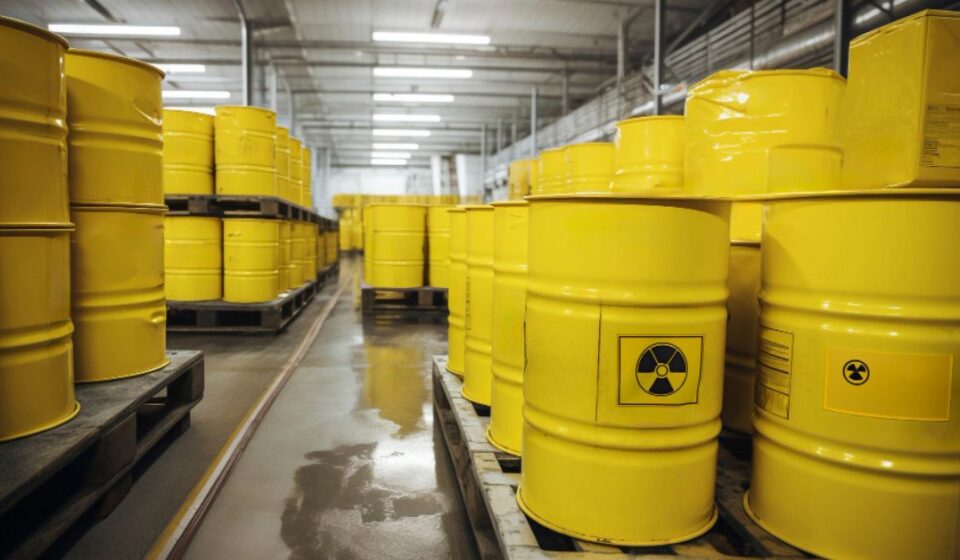

Dangerous goods are part of many workplaces, from warehouses to hospitals, construction sites, and laboratories. They may look harmless, but they can cause serious harm if handled incorrectly. Dangerous goods safety is about recognizing hazards, using the right controls, and preventing accidents before they happen. When done correctly, dangerous goods become manageable not frightening.
Many people underestimate dangerous goods because they’ve handled them many times without incident. This creates a false sense of security. The truth is that even a small mistake a leak, a spill, or wrong storage — can trigger fire, explosion, or toxic exposure. That’s why dangerous goods safety is not optional. It’s a responsibility that protects you, your coworkers, and the environment.
Why Dangerous Goods Safety Is Necessary
Dangerous goods include chemicals, gases, fuels, batteries, and other materials that can burn, explode, corrode, or poison. Dangerous goods safety exists to prevent injuries, environmental damage, and costly incidents. A small spill can quickly escalate if the area is not properly controlled. Toxic fumes can spread fast, causing health issues even in nearby spaces.
Safe handling also prevents long-term health effects. Some dangerous goods cause skin irritation, respiratory problems, or chronic illness after repeated exposure. With proper training and procedures, these risks are minimized. This is why safety systems and awareness are critical every time dangerous goods are used or stored.
Common Causes of Dangerous Goods Incidents
Most dangerous goods incidents are preventable. Common causes include:
- Improper labeling or identification
- Incorrect storage (mixing incompatible substances)
- Damaged or leaking containers
- Lack of training or awareness
- Poor ventilation or no containment systems
- Ignoring safety data sheets (SDS)
- Using incorrect PPE or no PPE at all
A common issue is assuming “it’s just a small amount.” Even a small leak can become dangerous if it spreads or reacts with other materials. Dangerous goods accidents usually happen when people take shortcuts or ignore procedures because they feel confident or rushed.
Read more: How to Ensure Safety Before You Travel
Practical Steps to Improve Dangerous Goods Safety
The best way to improve dangerous goods safety is to follow clear, consistent steps. Here are practical actions that actually work:
1. Proper Identification and Labeling
- Ensure all containers are correctly labeled with contents and hazard symbols
- Check that labels are clear and readable
- Never transfer materials to unlabeled containers
- Use color-coded labels when applicable
2. Correct Storage and Separation
- Store dangerous goods in designated areas only
- Separate incompatible substances (e.g., acids and bases)
- Keep containers upright and secure
- Avoid storing near heat sources or direct sunlight
- Ensure storage areas have spill containment
3. Safe Handling Practices
- Always read the safety data sheet before use
- Use appropriate PPE such as gloves, goggles, or respirators
- Avoid eating or drinking near hazardous materials
- Use tools and equipment designed for chemical handling
- Never mix substances unless instructed by a professional
4. Spill Prevention and Response
- Keep spill kits accessible and stocked
- Train staff on spill response and evacuation procedures
- Report leaks immediately to supervisors
- Use proper cleanup methods based on the material type
- Ensure ventilation is adequate during cleanup
5. Training and Communication
- Conduct regular safety training sessions
- Encourage reporting of unsafe conditions without fear
- Share near-miss experiences to prevent future incidents
- Keep emergency contacts and procedures visible
These steps may seem basic, but they are the foundation of strong dangerous goods safety. When workers follow them consistently, risks drop dramatically.
Conclusion
Dangerous goods safety is about respect, awareness, and consistent controls. When you identify hazards, follow procedures, and use the right equipment, dangerous goods become manageable and safe. Don’t underestimate the risks handle all materials with care and responsibility
Downlaod Pdf Here



[…] Read more: How To Ensure Dangerous Goods Safety at Work? […]