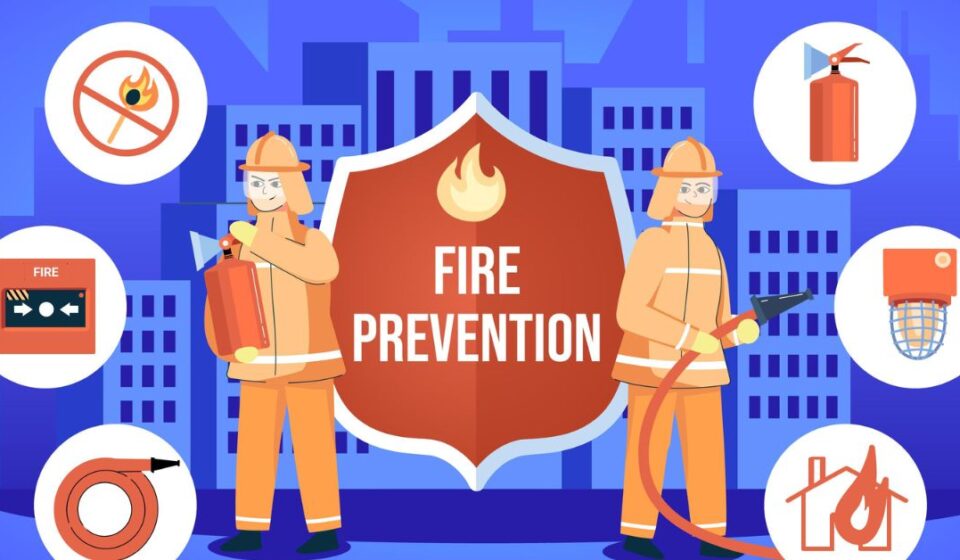

Fire is one of the most dangerous emergencies that can happen at work or home. It spreads quickly, destroys property, and can cause serious injuries or fatalities. Fire safety is not just a rule it’s a lifesaving practice. When you understand fire hazards, know how to prevent them, and learn how to respond quickly, you protect yourself and everyone around you. Fire safety is not something you should leave to chance.
Many people think fire safety is only for high-risk places like factories or kitchens. But fire can happen anywhere offices, warehouses, and even vehicles. A small spark, overloaded outlet, or unattended equipment can start a fire within seconds. That’s why fire safety must be part of daily routine. With the right precautions, most fires can be prevented before they start.
Why Fire Safety Is Necessary
Fire safety protects lives, property, and business operations. A fire can cause injuries, long-term health problems, and huge financial losses. It can also disrupt work for days or even weeks. Fire safety reduces the risk of fire by identifying hazards and using preventive actions.
Fire safety also improves response time during emergencies. When people know the evacuation plan, exit routes, and how to use fire extinguishers, they can act quickly and calmly. Panic and confusion are common during fires, but training and preparation reduce fear and increase survival chances. Fire safety creates a safe environment where everyone knows what to do.
Common Causes of Fire Incidents
- Overloaded electrical outlets or power strips
- Faulty wiring or damaged cables
- Unattended cooking or heating equipment
- Improper storage of flammable materials
- Smoking in prohibited areas
- Hot work like welding without proper permits
- Blocked exits and escape routes
- Poor maintenance of fire alarms and extinguishers
- Lack of housekeeping causing clutter
- Using damaged or unsafe equipment
Most fires begin with small mistakes or unsafe conditions. For example, a frayed wire can spark and ignite nearby paper or cardboard. Fire safety means identifying these hazards early and fixing them before they become a disaster.
Read more: How To Ensure Dangerous Goods Safety at Work?
Practical Steps for Fire Safety
1. Conduct Regular Fire Inspections
- Check fire alarms and smoke detectors monthly
- Ensure fire extinguishers are accessible and inspected
- Verify emergency lights work during power outages
- Keep fire doors closed and functional
2. Control Electrical Hazards
- Avoid overloading outlets
- Replace damaged cables and cords
- Use surge protectors where needed
- Turn off equipment when not in use
3. Manage Flammable Materials
- Store flammable liquids in approved cabinets
- Keep materials away from heat sources
- Use proper containers and labels
- Dispose of waste safely and promptly
4. Maintain Clear Exit Routes
- Keep hallways and exits free of clutter
- Avoid blocking doors with boxes or equipment
- Post evacuation maps in visible areas
- Conduct regular drills to practice evacuation
5. Use Fire Extinguishers Properly
- Learn the correct type of extinguisher for your area
- Remember PASS: Pull, Aim, Squeeze, Sweep
- Only use extinguishers for small fires
- Evacuate immediately if fire grows
6. Implement Hot Work Safety
- Require permits for welding, cutting, or grinding
- Use fire blankets and barriers
- Keep a fire watch for at least 30 minutes after hot work
- Ensure proper ventilation to prevent sparks
7. Promote Fire Awareness
- Train employees on fire risks and response
- Post safety signs and emergency numbers
- Encourage reporting of fire hazards
- Keep a safety culture where prevention is priority
Conclusion
Fire safety protects lives and prevents devastating damage. By identifying hazards, controlling risks, and practicing emergency response, you can reduce the chance of fire and improve survival. Remember, fire spreads fast, so preparedness is your best defense. Stay alert, stay trained, and prioritize fire safety every day.
Download PDF Here