
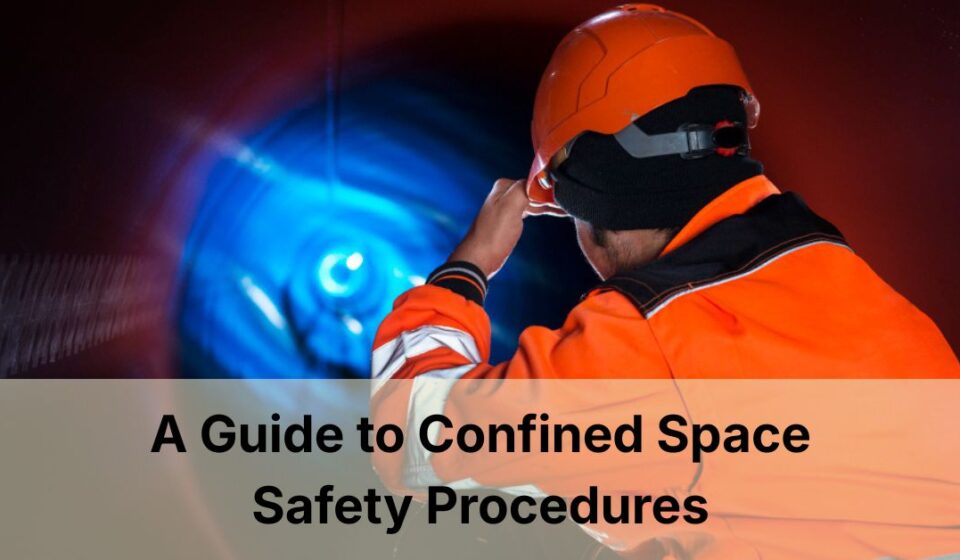

Confined spaces are areas that are not designed for continuous human occupancy and have limited entry or exit points. Examples include tanks, manholes, silos, pits, tunnels, and storage vessels. Confined spaces can be extremely dangerous because hazards may not be visible or obvious. Confined space safety focuses on preventing incidents like oxygen deficiency, toxic exposure, fires, and entrapment. Working in a confined space is different from working in open areas because hazards can build up quickly and conditions can change without warning.
A worker can enter a confined space and feel fine one moment, and then face a sudden hazard the next. This is why confined space work demands strict planning, correct equipment, and trained personnel. Even spaces that appear safe can contain harmful gases, low oxygen, or flammable atmospheres. Confined space incidents often happen due to lack of awareness or because workers assume the space is safe without testing.
Why Confined Space Safety Is Necessary
Confined space safety is necessary because the risks are high and consequences can be severe. A worker inside a confined space may have limited ability to escape if something goes wrong. Even minor issues like a small gas leak or reduced oxygen can quickly become life-threatening. Confined space safety prevents sudden accidents that can happen in seconds, and it ensures workers don’t face hidden dangers.
Another reason confined space safety is essential is rescue difficulty. If a worker becomes unconscious or injured, a rescue attempt can become extremely dangerous. A poorly planned rescue can put multiple people at risk. For this reason, confined space work must include a rescue plan, trained rescue personnel, and clear communication. Safety in confined spaces depends on preparation, supervision, and strict adherence to procedures.
Confined space safety also improves productivity and trust. When workers know their safety is taken seriously, they feel more confident and focused. They work smarter, report hazards more willingly, and avoid risky shortcuts. A safe confined space program supports both people and operations.
Common Hazards in Confined Spaces
Atmospheric Hazards
- Low oxygen levels (oxygen deficiency)
- Toxic gases such as carbon monoxide or hydrogen sulfide
- Flammable or explosive atmospheres
- Chemical vapors from solvents or cleaning agents
Physical Hazards
- Heat stress or extreme temperatures
- Noise, vibration, or poor visibility
- Slippery surfaces or standing water
- Moving parts or machinery inside the space
Entrapment and Structural Hazards
- Engulfment in grain, sand, or liquids
- Collapse of walls or materials
- Narrow spaces restricting movement
- Falling objects or unstable materials
Human Hazards
- Lack of training or supervision
- Ignoring entry procedures
- Poor communication or no attendant
- Complacency and shortcuts
Many incidents occur because workers underestimate confined spaces and skip critical safety steps. Confined spaces often hide hazards that only appear once work begins, which is why planning is essential.
Practical Steps for Confined Space Safety
1. Identify Confined Spaces and Assess Risks
- Determine which areas qualify as confined spaces
- Identify hazards specific to each space
- Classify spaces as permit-required or non-permit
- Document risks and controls
Risk assessment is the foundation of confined space safety. Without it, workers may enter unprepared.
2. Use a Permit System
- Require a permit before entry
- Include hazard identification, controls, and authorization
- Specify entry time, duration, and personnel
- Ensure permit is signed by a supervisor
Permits create accountability and prevent unauthorized entry.
3. Test the Atmosphere Before Entry
- Use gas detectors to measure oxygen, flammability, and toxic gases
- Test at different levels inside the space
- Re-test periodically during the job
- Do not enter until readings are safe
Atmosphere testing prevents hidden hazards from causing harm.
4. Ventilate the Space
- Use forced ventilation to remove gases
- Maintain fresh air circulation during work
- Ensure ventilation equipment is properly positioned
- Monitor air quality continuously
Proper ventilation is a key control that reduces risk significantly.
5. Use Proper PPE and Equipment
- Respirators or supplied air systems when required
- Protective clothing, gloves, and helmets
- Harnesses and retrieval lines
- Communication devices for contact with the outside team
PPE is essential for protection in confined spaces.
6. Maintain Clear Communication
- Establish a communication plan
- Use radios or signaling systems
- Keep constant contact with the attendant
- Stop work immediately if communication is lost
Communication is the lifeline during confined space work.
7. Have a Rescue Plan
- Assign trained rescue personnel
- Keep rescue equipment ready
- Practice rescue drills regularly
- Never attempt rescue without training
A rescue plan saves lives and prevents additional injuries.
Conclusion
Confined spaces are risky and require strict safety controls. With proper planning, testing, ventilation, and communication, the hazards can be managed effectively. Confined space safety saves lives by preventing hidden dangers and ensuring rescue readiness
Download Pdf Here



[…] Read more: A Best Guide to Confined Space Safety Procedures […]