Workplace Heat Safety: OSHA Limits, Prevention & First Aid Guide

Workplace heat safety is a critical operational priority for industrial, construction, manufacturing, and outdoor operations. When ambient temperatures and humidity rise, the human body struggles to shed excess thermal energy, escalating the risk from mild heat cramps to life-threatening heat stroke.
Direct Safety Takeaway: OSHA mandates that employers provide Water, Rest, and Shade. When the Heat Index reaches 80°F (27°C), basic heat illness precautions should begin. At 90°F (32°C) or higher, implement mandatory rest-to-work cycles, active hydration (1 cup of water every 20 minutes), and buddy-system monitoring.
Why Heat Safety Demands Systematic Hazard Controls
Occupational heat stress does not just cause physical illness—it significantly increases the likelihood of traumatic injuries. Heavy sweating leads to slippery hands, fogged safety glasses (see our guide to effective eye and face protection), and severe mental fatigue that impairs situational awareness around heavy equipment like forklifts and mobile plant.
Understanding heat-related illness requires recognizing the environmental and physiological factors that combine to elevate risk, including ambient temperature, radiant heat sources (like furnaces and direct sunlight), air velocity, workload intensity, and the thermal resistance of required PPE and protective clothing.
Heat Illness Comparison: Symptoms & Emergency Action
Frontline supervisors and crew members must be trained to differentiate between heat-related conditions rapidly. Time is critical, especially when distinguishing heat exhaustion from medical emergencies like heat stroke.
| Condition | Primary Symptoms | Severity | Immediate Field Action |
|---|---|---|---|
| Heat Rash | Clustered red bumps on neck, chest, groin, or elbow creases. | Low | Move to a cooler, dry area. Keep the affected skin dry. Do not apply heavy ointments. |
| Heat Cramps | Painful muscle spasms in legs, arms, or abdomen; heavy sweating. | Moderate | Stop all physical activity. Rest in shade and drink water or electrolyte solutions. |
| Heat Exhaustion | Heavy sweating, pale/cool skin, dizziness, nausea, headache, rapid pulse. | High (Urgent) | Move to shade or AC. Loosen clothing. Apply cool, wet towels. Sip water slowly. If vomiting occurs, call EMS immediately. |
| Heat Stroke | Confusion, slurred speech, loss of consciousness, hot/dry skin or profuse sweating, seizures. | CRITICAL (Fatal) | Call 911 / Emergency Services immediately. Aggressively cool worker: immerse in cold water or pack ice packs in armpits, groin, and neck. |
The Hierarchy of Heat Controls in the Workplace
Applying the standard hierarchy of controls ensures robust heat stress prevention across industrial facilities:
1. Engineering Controls
- Install industrial misting fans and high-volume, low-speed (HVLS) cooling fans in indoor facilities.
- Erect portable shade canopies and climate-controlled break trailers on outdoor job sites.
- Shield radiant heat sources (e.g., steam pipes, engines, furnaces) with reflective thermal insulation.
2. Administrative & Acclimatization Protocols
According to OSHA and NIOSH data, nearly 70% of fatal heat stroke incidents occur during a worker’s first week on the job. Implement the Rule of 20% for new and returning workers:
- Day 1: Maximum 20% normal shift duration in hot conditions.
- Days 2–5: Increase exposure by 20% each consecutive day.
- Schedule heavy physical work during early morning or evening hours when ambient heat is lowest.
3. Hydration & Rest Timetables
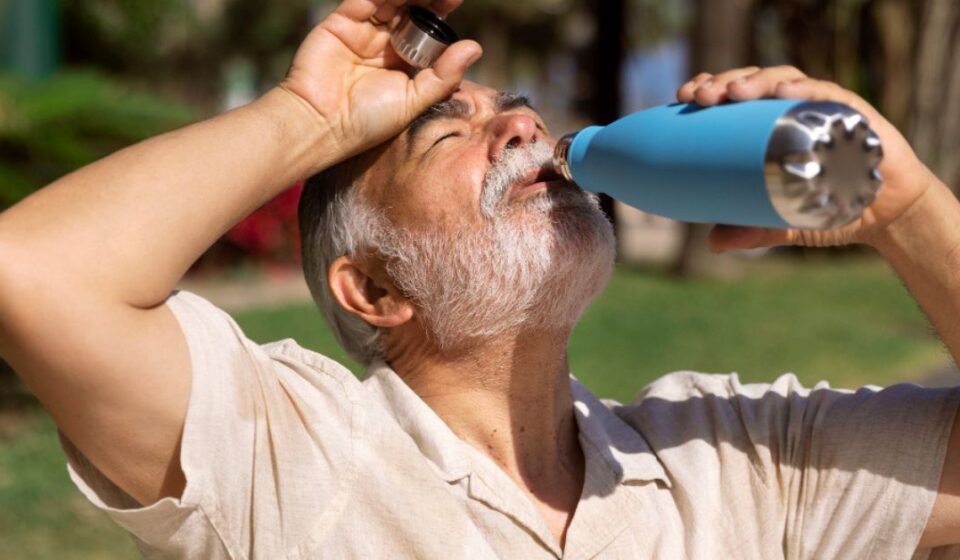
- Encourage workers to drink 1 cup (8 oz) of cool water every 15 to 20 minutes, rather than consuming large quantities at long intervals.
- Provide balanced electrolyte replacement drinks during prolonged shifts involving heavy sweating to prevent hyponatremia.
- Pair heat safety protocols with medical readiness—ensure crew members are trained in basic workplace first aid procedures.
5-Minute Safety Talk / Toolbox Discussion Points
Use these discussion prompts at your next morning tailgate meeting or pre-shift briefing:
- Question for the crew: “What are two early warning signs that a coworker is transitioning from heat fatigue to heat exhaustion?”
- Discussion Topic: “Where is our designated shaded cool-down area today, and who is your assigned buddy for checking hydration status?”
- Supervisor Takeaway: “Remind the crew that thirst is a late indicator of dehydration. Hydrate before feeling thirsty, and report dizziness immediately.”
Workplace Heat Safety Field Checklist
- ☐ Potable, chilled drinking water readily accessible within 50 feet of all work stations.
- ☐ Shaded or air-conditioned break areas established and maintained.
- ☐ Daily Heat Index monitored and communicated during morning briefing.
- ☐ Acclimatization schedules applied for all temporary, new, and returning workers.
- ☐ First aid kit stocked with cold packs, electrolyte packets, and clean towels.
- ☐ Emergency evacuation route and emergency contact numbers clearly posted.
Frequently Asked Questions
At what temperature does OSHA require heat precautions?
While OSHA does not specify a single national temperature cut-off, under the General Duty Clause (Section 5(a)(1)), employers must protect workers from recognized heat hazards. OSHA’s heat illness guidance sets 80°F (27°C) Heat Index as the trigger for basic precautions, with high risk established at 90°F and above.
Can energy drinks or sodas replace water during hot shifts?
No. High-caffeine and high-sugar beverages exacerbate dehydration by acting as mild diuretics and increasing heart rate. Pure water and balanced electrolyte formulations are the only recommended hydration sources.
Regulatory Standards & Authoritative Sources
- OSHA 29 CFR 1910.141: Sanitation (Drinking Water Requirements).
- OSHA Heat Injury and Illness Prevention Campaign: Safety and Health Topics: Heat.
- NIOSH Publication No. 2016-106: Criteria for a Recommended Standard: Occupational Exposure to Heat and Hot Environments.