
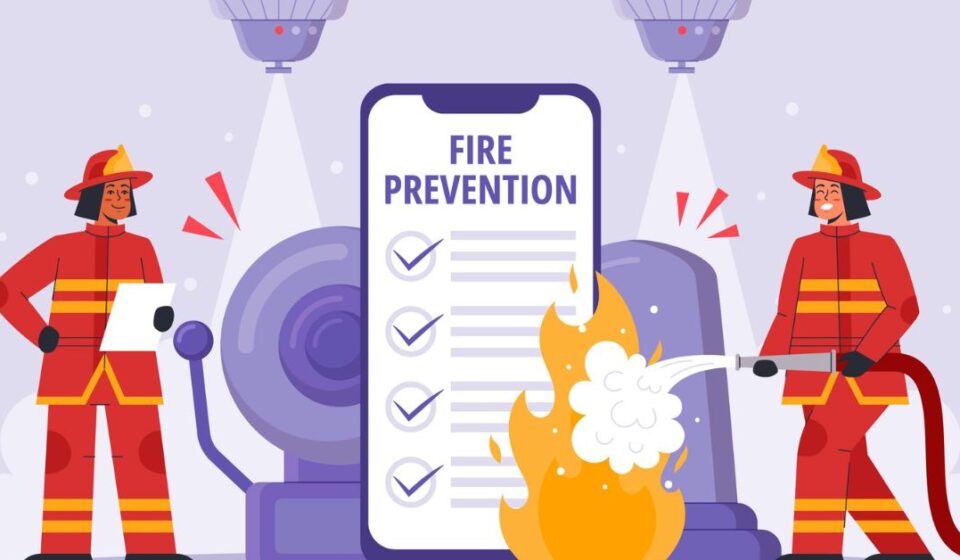
Workplace Fire Prevention: 10 Essential Safety Practices & Audit Checklist

Workplace fire prevention is an essential operational discipline protecting employees, physical infrastructure, and business continuity. According to the National Fire Protection Association (NFPA) and OSHA, the majority of catastrophic industrial fires originate from preventable hazards: electrical overloads, improper flammable storage, and uncontrolled hot work.
Direct Safety Takeaway: Fire requires three elements to ignite: Oxygen, Fuel, and Heat (The Fire Triangle). Effective workplace fire prevention works by physically isolating fuel sources from ignition points through safe storage, electrical maintenance, and strict Hot Work permitting.
Top 4 Causes of Industrial Workplace Fires
| Fire Origin / Source | Primary Hazard Mechanism | Required Engineering / Administrative Control |
|---|---|---|
| 1. Electrical Failures | Overloaded circuits, damaged cord insulation, daisy-chained power strips. | Maintain 36-inch clearance in front of breaker panels; inspect cords daily. (See Electrical Glove Safety). |
| 2. Hot Work Operations | Welding, torch cutting, and grinding throwing molten slag up to 35 feet. | Written Hot Work Permit, 30-minute post-work fire watch, spark curtains. |
| 3. Flammable Liquids & Gases | Improper storage near heating equipment, unbonded fuel transfer drums. | NFPA-approved yellow safety cabinets, grounding/bonding wires. (See Dangerous Goods Safety). |
| 4. Combustible Housekeeping Clutter | Accumulation of cardboard, wood pallets, and oily rags near heaters. | Dispose of oily rags in self-closing UL-listed metal waste cans; clear trash daily. |
10 Essential Fire Prevention Rules for Every Facility
- Maintain Unobstructed Emergency Exits: Ensure all exit corridors, stairwells, and panic-hardware doors remain 100% clear of pallets and storage at all times. (Review our guide on emergency exits).
- Enforce Hot Work Permitting (NFPA 51B): Sweep flammable debris within a 35-foot radius before welding or grinding, and assign a dedicated fire watch equipped with an extinguisher.
- Store Flammable Liquids in Certified Safety Cabinets: Limit quantities of Class I and Class II flammables outside of rated storage rooms to OSHA-specified gallon limits.
- Ground and Bond Dispensing Drums: Prevent static electricity sparks during flammable liquid transfers by attaching heavy-duty grounding cables.
- Never Daisy-Chain Extension Cords: Extension cords are rated strictly for temporary use (maximum 90 days); never plug surge protectors into other surge protectors.
- Maintain Fire Extinguisher Access: Never place boxes, carts, or equipment within 36 inches of portable fire extinguishers or manual pull stations. (See our Fire Extinguisher PASS Guide).
- Inspect Heating & Mechanical Equipment: Lubricate bearings on conveyor belts and exhaust fans to prevent friction overheating.
- Enforce Designated Smoking Zones: Strictly prohibit smoking, vaping, or open flames near fuel storage, battery charging areas, or chemical bays.
- Inspect Fire Sprinkler Clearances: Maintain minimum 18 inches of clearance below standard sprinkler heads (36 inches for high-density storage racks).
- Conduct Semi-Annual Fire Evacuation Drills: Practice exiting the facility and accounting for all personnel at designated exterior assembly points.
5-Minute Safety Talk / Toolbox Topic: Fire Hazard Identification
- Meeting Question: “Where is the nearest manual fire alarm pull station and emergency exit door relative to your daily work station?”
- Walkaround Check: “Look around your department right now: Are electrical panels blocked by pallets, or are combustible boxes stacked too high under sprinkler heads?”
- Supervisor Note: “In a fire, seconds save lives. Never attempt to fight a spreading fire if your exit route is compromised.”
Monthly Workplace Fire Prevention Audit Checklist
- ☐ All illuminated EXIT signs glowing and emergency battery backup lights operational.
- ☐ Electrical breaker panels unobstructed with minimum 36-inch depth clearance.
- ☐ Fire extinguishers inspected: gauge in green zone, pin sealed, inspection tag initialed.
- ☐ Flammable storage cabinets closed and latched properly.
- ☐ Self-closing metal disposal cans provided for oily rags and solvent wipes.
- ☐ Minimum 18-inch clearance maintained below all fire sprinkler heads.
- ☐ Fire alarm pull stations and strobe horns clear of visual obstruction.
Frequently Asked Questions
How often should workplace fire drills be conducted?
OSHA Standard 29 CFR 1910.38 recommends conducting emergency evacuation fire drills at least annually, while high-hazard manufacturing and chemical facilities should hold drills every 6 months to ensure smooth roll-call accounting.
Authoritative Sources & Standards
- OSHA 29 CFR 1910.38 & 1910.39: Emergency Action Plans and Fire Prevention Plans.
- NFPA 1: Fire Code (National Fire Protection Association).
- NFPA 51B: Standard for Fire Prevention During Welding, Cutting, and Other Hot Work.