
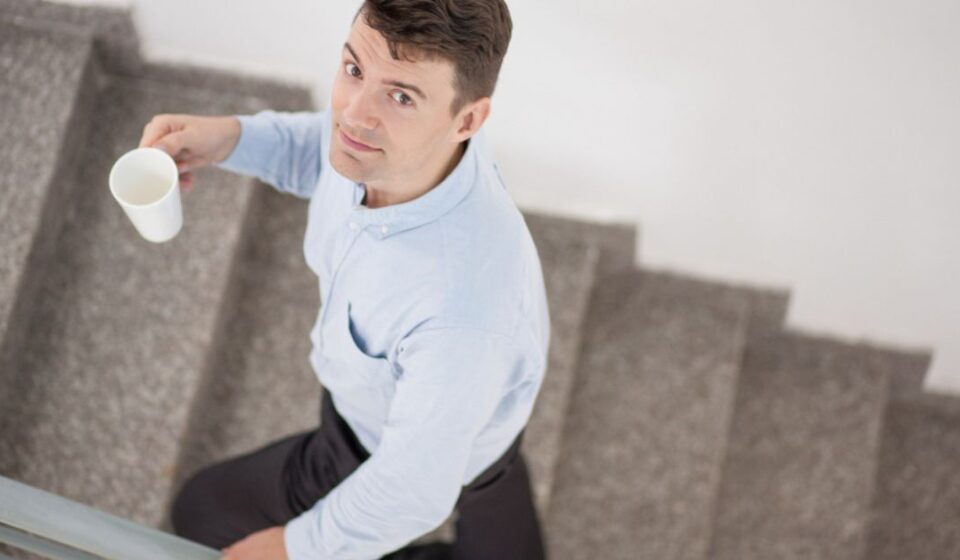
Home Fall Prevention: Room-by-Room Safety Checklist & Hazard Guide

Falls are the leading cause of injury-related hospitalizations and fatal trauma among older adults and remote work-from-home professionals. According to the CDC, one out of four adults over age 65 falls each year, but falls are not an inevitable part of aging. Simple environmental modifications dramatically reduce fall risks.
Direct Safety Takeaway: Over 75% of domestic fall injuries occur inside the home—primarily in bathrooms, on staircases, and in poorly illuminated hallways. Eliminate throw rugs, install solid grab bars in showers, ensure dual handrails on stairs, and maintain continuous night lighting.
Room-by-Room Home Fall Hazard Matrix
| Living Area | Primary Fall Hazard | High-Impact Safety Modification |
|---|---|---|
| Bathrooms (Highest Risk) | Slippery wet porcelain, stepping over high tub walls. | Install ADA-compliant wall-anchored grab bars (never suction cups); apply non-slip adhesive tub treads. |
| Staircases | Missing handrails, uneven steps, poor lighting, loose carpet edges. | Install continuous handrails on both sides extending past top/bottom steps; install dual-way light switches. |
| Living Rooms & Hallways | Loose decorative throw rugs, trailing phone cords, low coffee tables. (See Slip & Fall Prevention). | Remove all throw rugs or secure with double-sided rug tape; clear walking paths of clutter. |
| Bedrooms | Disorientation upon waking in the dark; slippery socks on hardwood. | Install motion-activated LED nightlights; place a sturdy lamp within arm’s reach of the bed. |
| Kitchens | Spilled grease or water, reaching for items on high shelves. | Store frequently used cookware between waist and shoulder height; use certified step stools. |
Intrinsic vs. Extrinsic Fall Risk Factors
Fall prevention requires addressing both environmental conditions and biological factors:
1. Extrinsic (Environmental) Factors
- Poor lighting and glare on polished hardwood floors.
- Unanchored rugs and clutter in primary walking paths.
- Footwear lacking non-skid rubber tread (e.g., smooth slippers or walking in socks).
2. Intrinsic (Biological / Health) Factors
- Medication Side Effects: Sedatives, blood pressure medications, and anticholinergics causing orthostatic hypotension and dizziness.
- Vision Changes: Outdated bifocal/trifocal prescriptions altering depth perception when descending stairs.
- Muscle Weakness: Reduced lower body strength and balance deficits.
5-Minute Safety Talk: Home Safety for Remote Workers & Families
- Meeting Question: “What is the single most hazardous room in any residential home for slip and fall injuries?” (Answer: The bathroom).
- Family Drill: “Inspect your home staircases tonight: Is every step well lit and is the handrail solidly anchored?”
- Action Item: “Remove throw rugs from kitchen and bathroom entryways.”
Complete Home Fall Prevention Audit Checklist
- ☐ All throw rugs removed or secured firmly with non-skid rubber backing.
- ☐ Walkways from bedrooms to bathrooms illuminated with nightlights.
- ☐ Sturdy grab bars installed inside shower stalls and adjacent to toilets.
- ☐ Staircase handrails securely anchored on both sides.
- ☐ Non-skid slip-resistant mats placed inside bathtub and shower basins.
- ☐ Electrical, phone, and computer cords routed safely away from foot traffic paths.
- ☐ Annual eye exams scheduled and medication reviews conducted with physicians.
Frequently Asked Questions
Are suction-cup bathroom grab bars safe for fall prevention?
No. Suction-cup grab bars can loosen unexpectedly when exposed to moisture and temperature fluctuations. Only use professional, screw-anchored grab bars securely fastened into wall studs capable of supporting at least 250 lbs of force.
Authoritative Sources & Standards
- CDC STEADI: Stopping Elderly Accidents, Deaths, & Injuries Initiative.
- National Institute on Aging (NIA): Fall Prevention at Home.
- National Safety Council (NSC): Slip, Trip, and Fall Prevention in Residential Settings.